
Quick summary
- Assess moisture and traffic first.
- Compare service life, maintenance and total cost.
- Review samples inside the space before final approval.
Start with the space and its use
Before choosing colours and patterns, assess traffic, moisture and how the space will be used. These factors determine durability and long-term appearance.
Traffic level
Entrances and corridors need highly durable flooring, while bedrooms can use warmer and quieter options.
Moisture and water
Wet areas need products suitable for the site and an approved installation method.
Comparing common flooring types
| Type | Advantages | Best use |
|---|---|---|
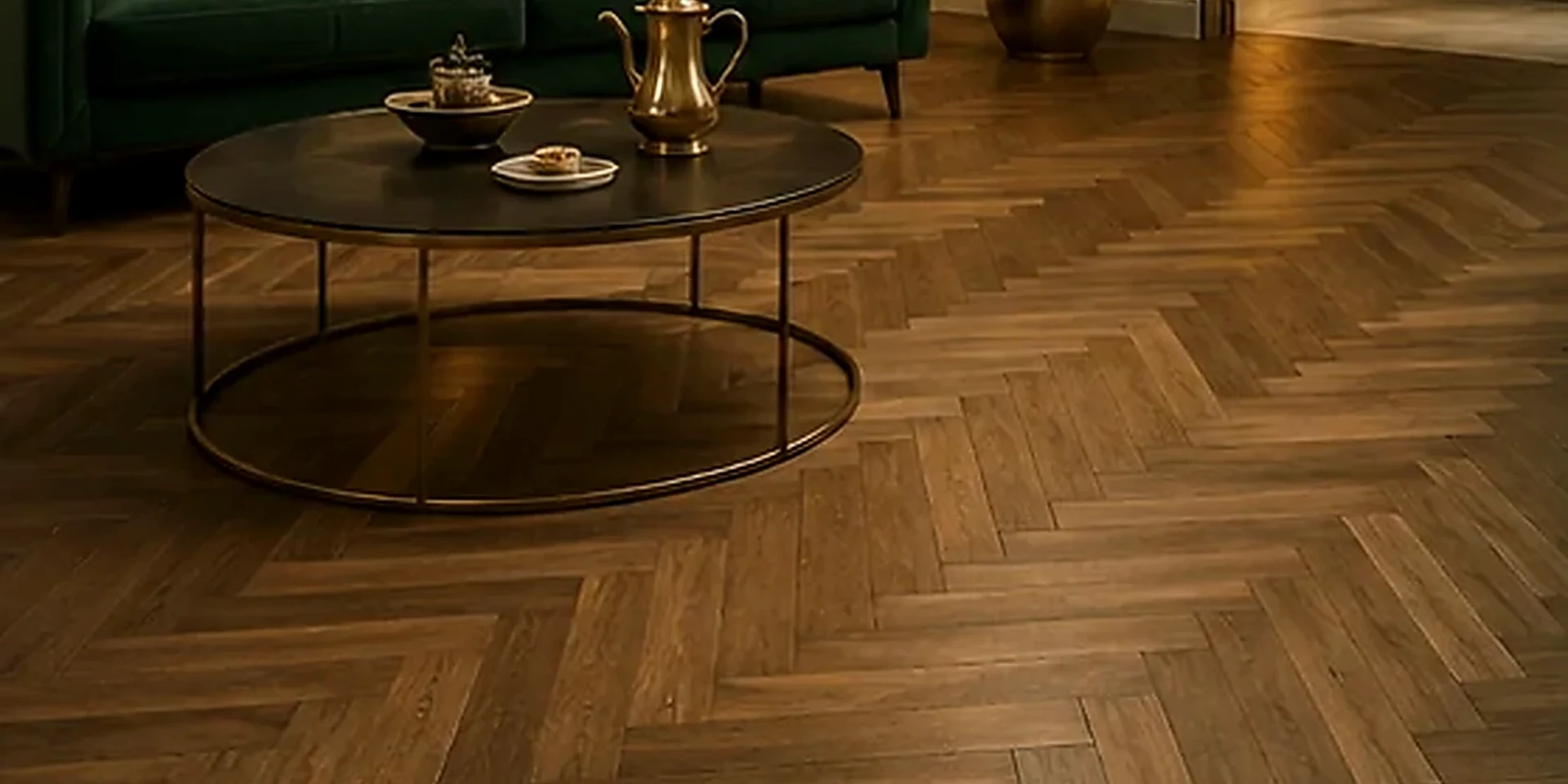
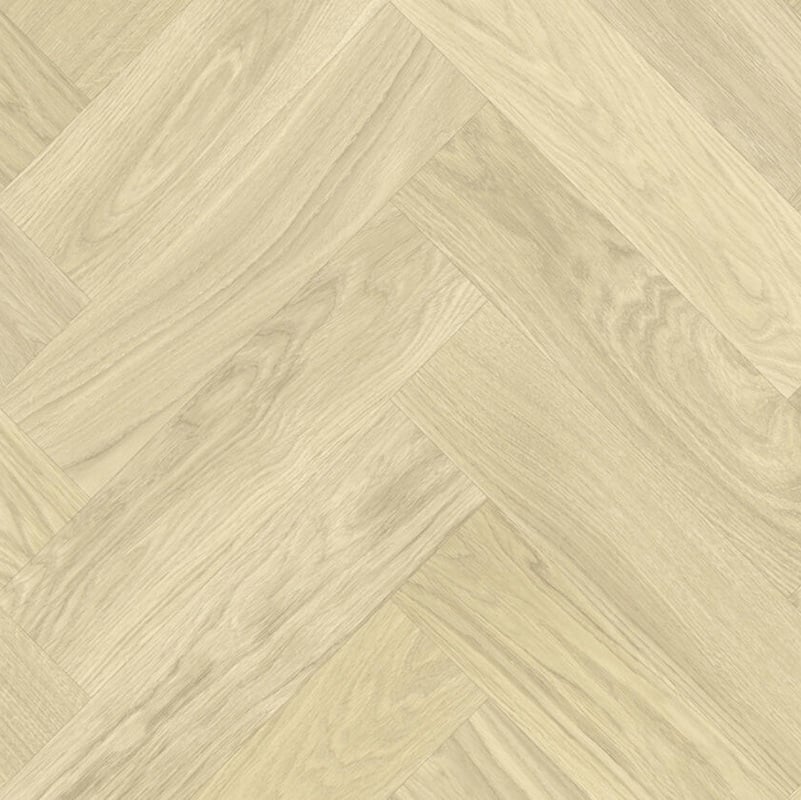
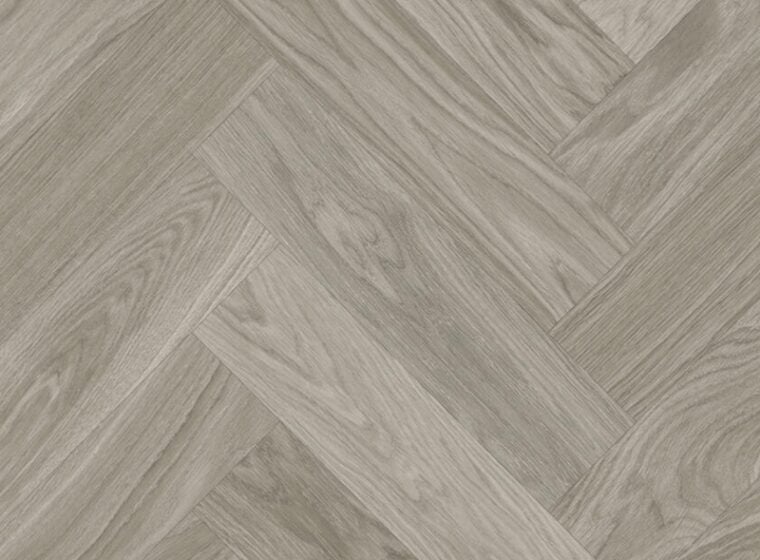
| Wood parquet | Natural appearance, warmth and insulation. | Living rooms, bedrooms and offices. |
| Laminate | Wood look, easy care and scratch resistance. | Living rooms and home offices. |
| SPC | Good durability and water resistance according to product and installation specifications. | Kitchens, corridors and commercial areas. |
Expert tip: do not rely on images alone
Review samples inside your space to understand how lighting and furniture affect colour and texture.
Which floor suits each space?
Living and reception rooms
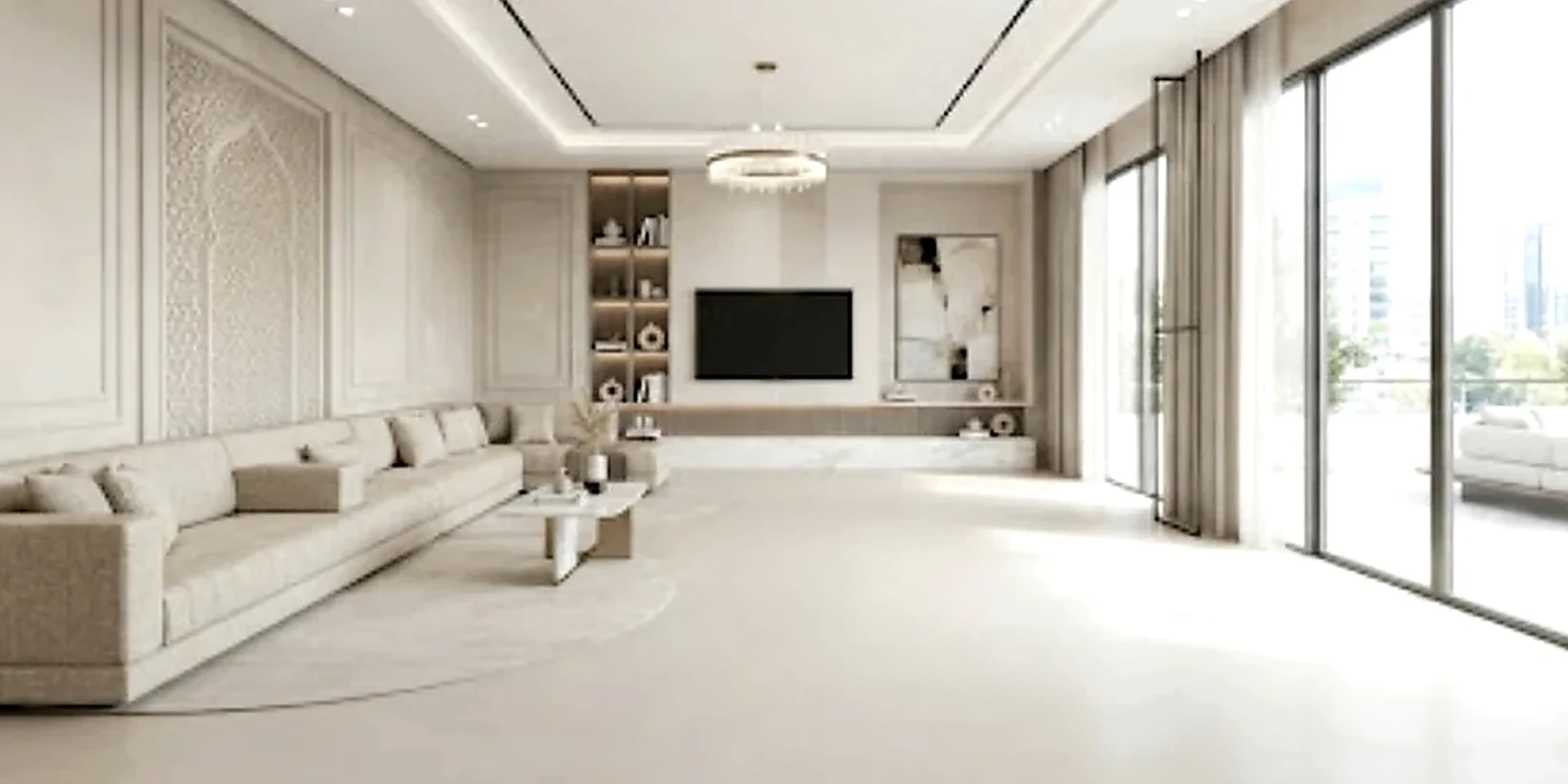
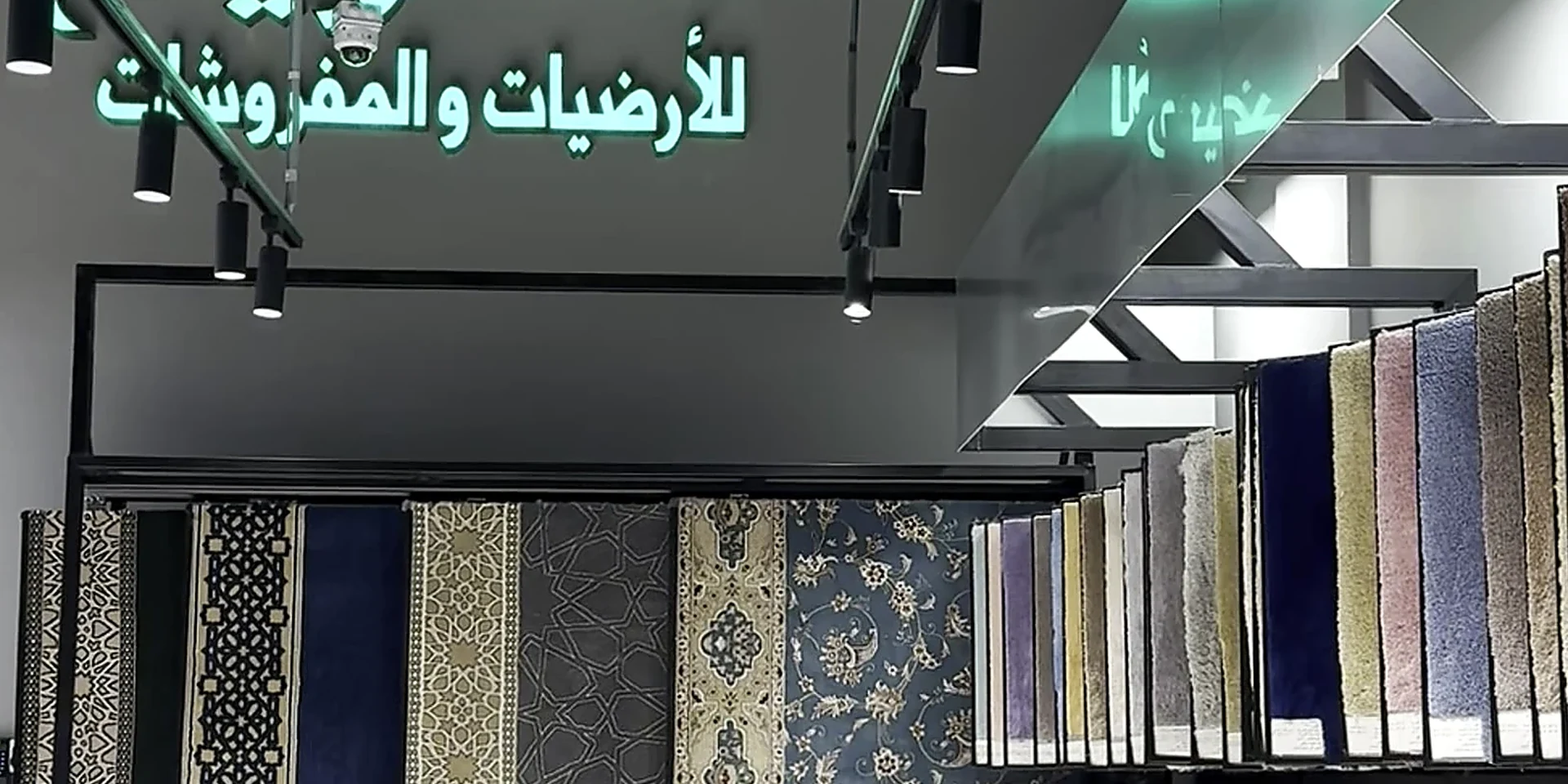
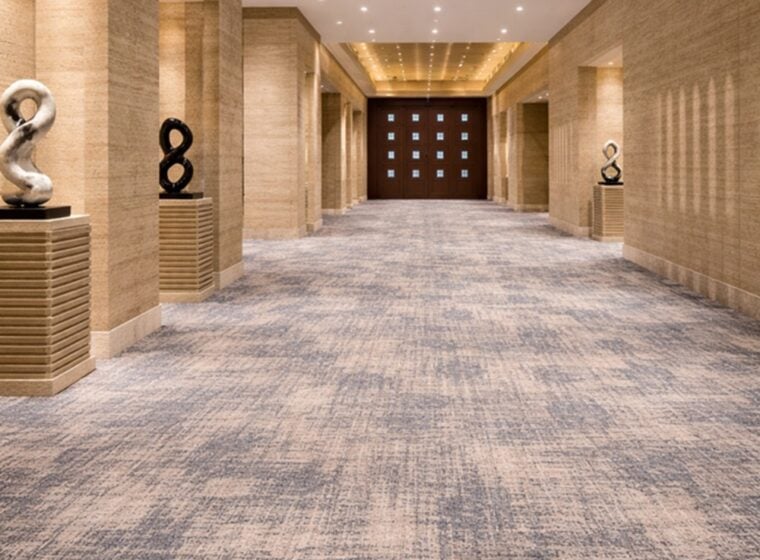
Balance luxury, durability and comfort with parquet or a suitable carpet.
Kitchens and dining areas
Choose easy-clean flooring suitable for potential liquid exposure.
Checklist before choosing
- Measure the space and allow for waste
- Check subfloor level
- Assess moisture and traffic
- Review cleaning and maintenance
- View colour in the room lighting
- Confirm installation schedule
Explore our options


Frequently asked questions
What is the difference between parquet and SPC?expand_more
Parquet feels warmer, while SPC offers durability and water resistance according to product and installation specifications.
Can flooring be installed over an existing floor?expand_more
It may be possible if the surface is level and stable; the site should be assessed first.